Vintage 2026 update: Updates from our partners in the vineyards
July 2026
If there is one word that defines the 2026 growing season so far, it is drought. From Bordeaux to Chablis to the South Downs, our producers are navigating a year unlike almost any other — one that is forcing even the most principled winemakers to rethink long-held certainties.
Bordeaux — Claire Villars Lurton, Ferrière / Haut Bages Libéral
 Claire is candid: she has never been more worried. Spring looked generous — abundant fruit set, real promise — but cold, wet weather during flowering caused coulure on the earlier-ripening parcels, and since then, two months without a drop of rain. Veraison, which began a fortnight ago, is painfully slow. Berries are tiny, and some blocks may not yield a harvestable crop if rain does not arrive in the next two to three weeks.
Soil type is making all the difference. Vines on the limestone around Haut Bages Libéral are coping; those on gravel and sand are struggling. Claire admits that 2026 has shaken her views on irrigation — something she has always opposed, particularly in the context of cover cropping and regenerative agriculture. Even on her organically farmed vines, which are in better shape than many conventional neighbours, the limits are being tested. “A lot of certainties,” she says, “are being called into question.”
Chablis — Guillaume Michel, Domaine Louis Michel
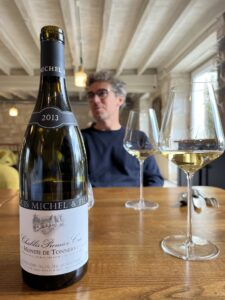 A year of two halves in Burgundy’s most northerly appellation. An unusually early budbreak led to nerve-shredding nights of spring frost; since then, relentless heat — temperatures exceeding 40°C — and no rain. The younger vines are feeling it most. The Domaine’s older parcels, with their deep, well-established root systems, are proving more resilient, but even they have hit the brakes: development has slowed noticeably after a fast start.
Veraison has just begun. Guillaume cannot give a harvest date, and yield estimates remain impossible — everything hinges on when, and how much, it rains. The one silver lining is a pristine health situation: no botrytis, no mildew, no downy mildew pressure whatsoever. In Chablis, drought and disease pressure are inversely correlated, and the fruit that does come in should be clean and concentrated.
Pommard, Burgundy — Louis Bellecroix, Domaine Lejeune
A relatively straightforward season by 2026 standards — good early water reserves from spring rainfall and low disease pressure have kept things manageable. The complications have come from elsewhere: coulure after a cold spell following budbreak, and a damaging hailstorm on 10 June that cut yields by around 35%. Nature has been generous in some respects and brutal in others.
Despite those losses, Louis is looking at a potentially very early harvest — possibly as soon as 20 August. The challenge now is a familiar one in warm years: sugar levels are climbing fast, and the task is to hold on long enough for full phenolic ripeness without tipping into overripeness. A delicate balance, but one that Domaine Lejeune is well placed to manage.
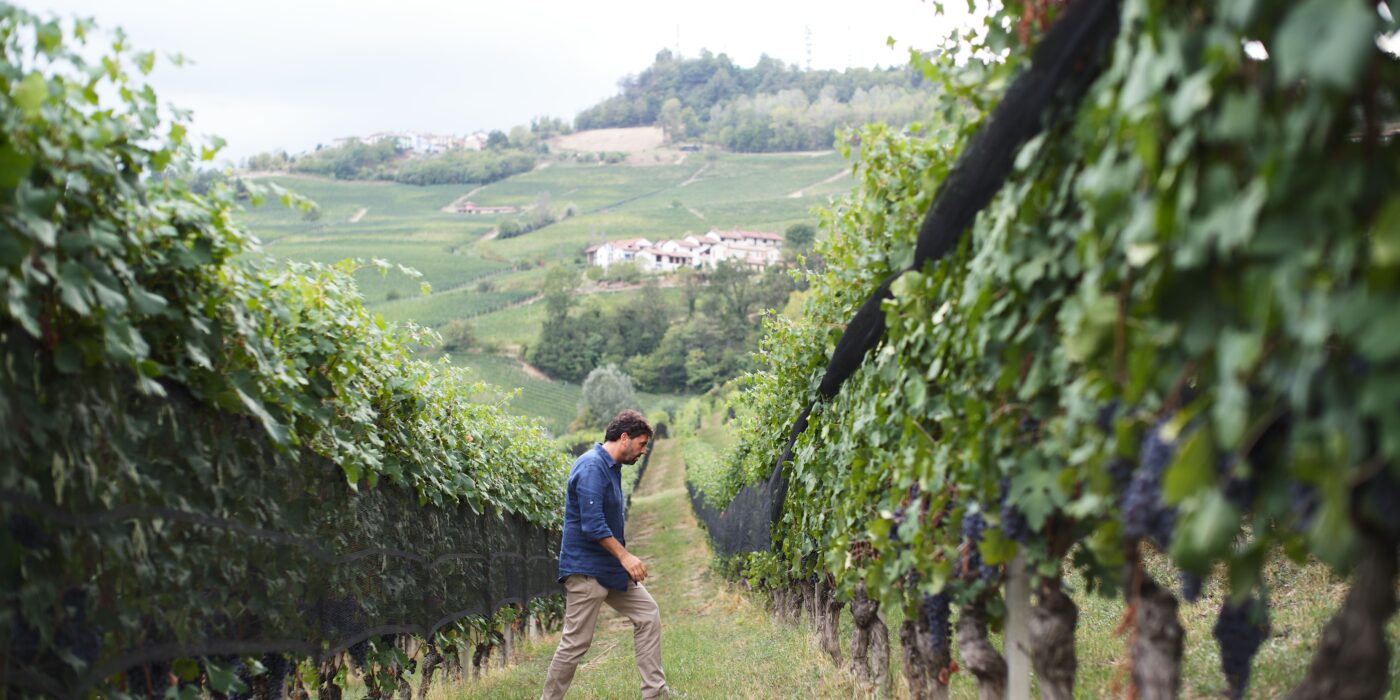
Barolo — Alessandro Locatelli, Rocche Costamagna
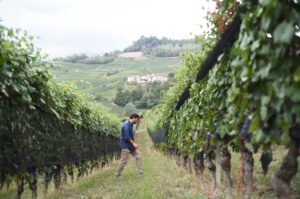 A rather different story from Piedmont, where the 2026 vintage is shaping up to be genuinely exciting. An early start has seen every phenological stage run ahead of schedule, with very little disease pressure and straightforward vineyard management as a result.
The hottest June on record was offset by generous April and May rainfall that built deep water reserves in the soil — giving the vines the buffer they needed to push through the heat without stress. Alessandro expects harvest to begin around two weeks earlier than usual. If conditions hold, he believes all the signs point to an outstanding vintage. We are watching this one very closely.
South Downs — Dermot Sugrue, Sugrue South Downs
Dermot has a gift for honest, self-deprecating dispatch, and his 2026 summary does not disappoint. A very wet winter gave way to an unusually warm and dry spring — followed by late, severe frosts that caught many growers off guard — followed by two m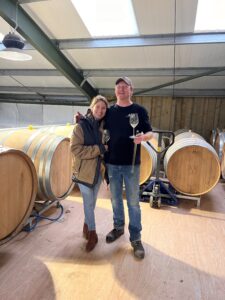 onths of near-continuous heatwaves. “The vineyards,” he writes, “are as confused as their winemaker.”
Small berry size from the ongoing drought, but Dermot is cautiously optimistic: he senses exceptional quality in the making, an early harvest, and — crucially — disease-free fruit. His comparison is 2022, a benchmark year across all styles for English wine. If he is right, expect something special from the chalk.
In Summary
2026 is a year that will sort the resilient from the vulnerable — in soils, in varieties, and in farming philosophies. The picture across our portfolio is far from uniform, and it is too early to draw conclusions. What is clear is that the producers we work with are thoughtful, honest about the challenges they face, and committed to making the best of whatever nature delivers. We will update you again as harvest approaches.