Producer >
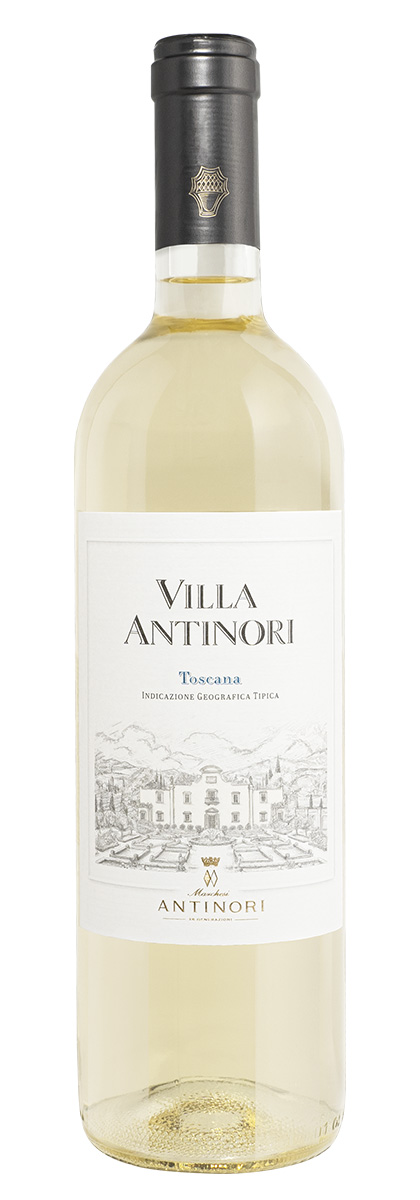
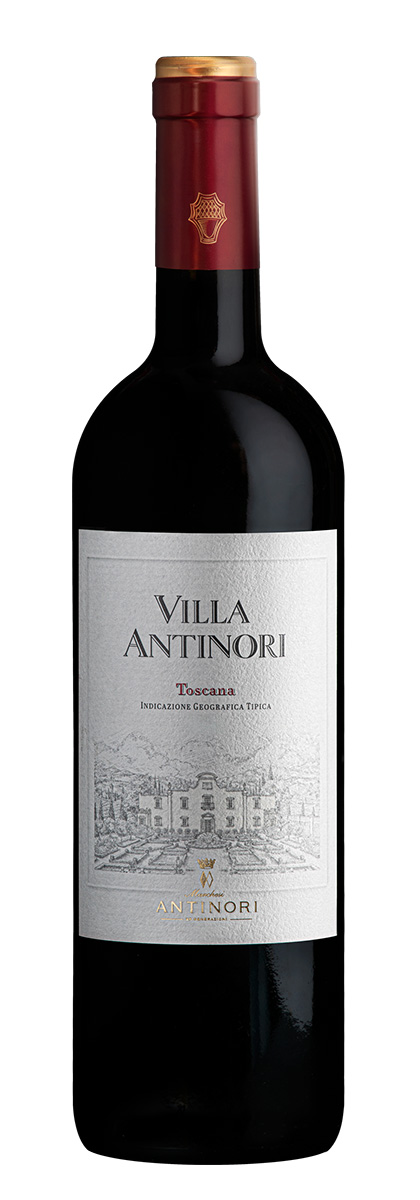
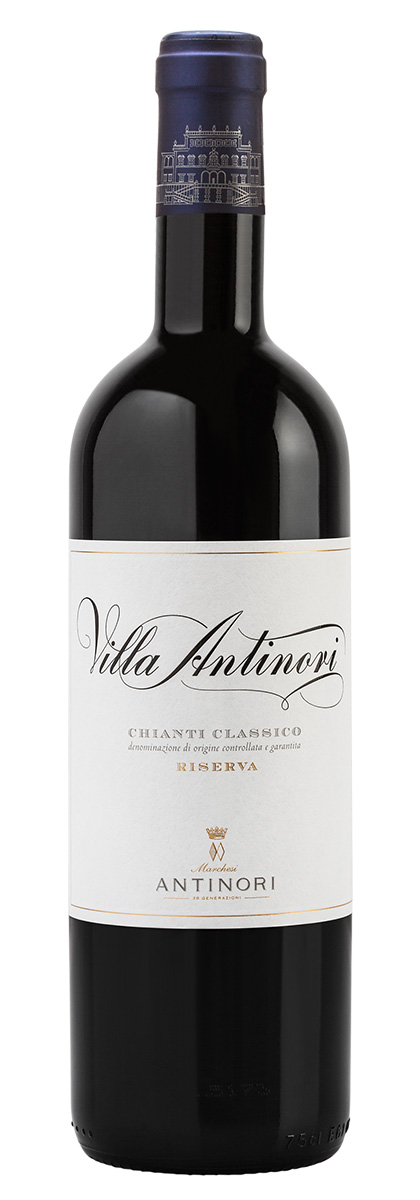
Created as the Antinori family's calling card, Villa Antinori reflects over 600 years of Tuscan winemaking heritage. The wines are designed to express classic Tuscan balance with broad appeal.
Viticulture >
The winery overlooks the countryside from a terrace surrounded by vineyards planted with Chianti Classico’s most typical grape, Sangiovese, together with other varieties that were historically planted nearby: Canaiolo, Ciliegiolo, Colorino, Malvasia Nera, and Mammolo. A small area is dedicated to international vines, Cabernet Sauvignon and Cabernet Franc.
Winemaking >
Climate
The 2020 growing season in Chianti Classico began with mild, dry weather. Only in the last half of March did the area experience a short cold spell. These climatic conditions prompted earlier than expected budbreak but did not compromise vine development, optimal vine growth took place during the second half of spring when average rainfall and cool temperatures arrived. The summer months were hot but were undisturbed by extreme heat events. Intermittent rain showers provided the grape clusters with perfect growing conditions. The month of September, when harvesting operations got underway, was defined by increased precipitation levels, especially towards the end of the month, without adversely impacting the quality of the fruit. This additional precipitation ensured the grapes reached complete phenolic maturity. The grape harvest began with Sangiovese during the last half of September and was completed the first week of October with the other complementary varieties.
Vinification
The grapes were destemmed and gently crushed then transferred into stainless steel vats where alcoholic fermentation took place at a controlled temperature that did not exceed 28 - 30 °C (82 - 86 °F). Maceration on the skins lasted for a period of approximately 10-14 days using controlled automated techniques to gently extract aromas, structure, and supple tannins. Sangiovese underwent malolactic fermentation in stainless steel vats while several lots of the other grape varieties went into second and third fill barriques. The various lots were blended and continued to age in oak, predominantly in larger format barrels and a smaller percentage in barriques, up until spring 2022. Bottling began in August 2022.

 Sangiovese
 14.18
 ITALY
 6
 Cork
 Villa Antinori
 Vegetarian
 Fact Sheet