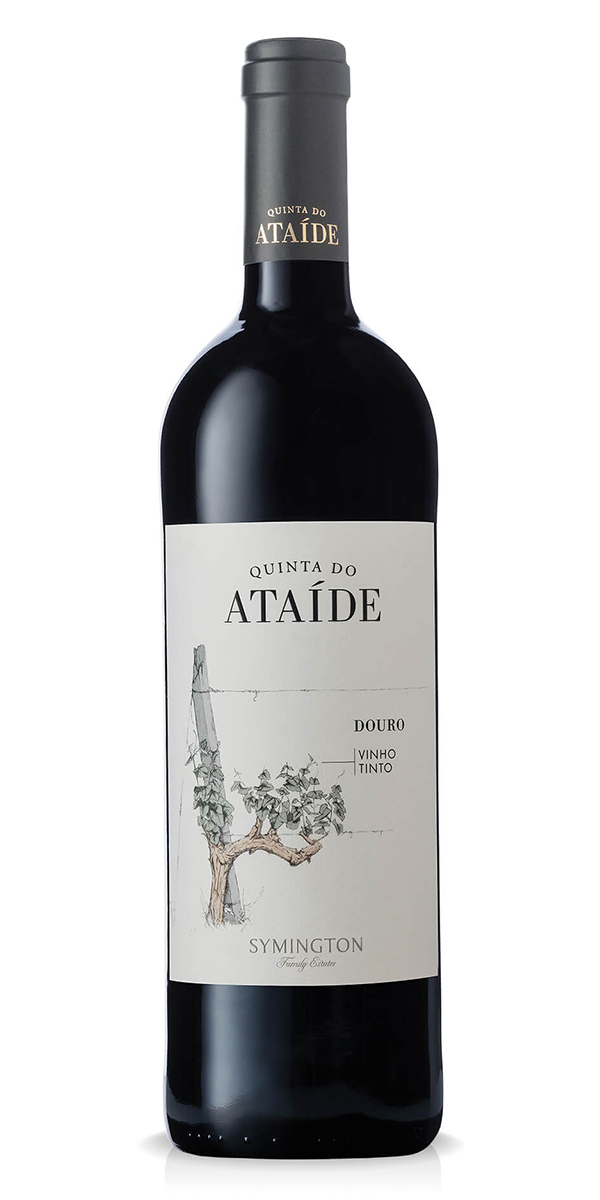
Producer >
Quinta da Ataíde lies in the hotter, drier Vilariça Valley on distinctive loam and schist soils, giving it a personality unlike much of the Douro. It was here in the 1970s that Miguel Côrte-Real helped revive Touriga Nacional from pre-war vine material, anchoring the estate’s identity to this now-iconic grape.
Winemaking >
"Winemaking:
The Ataíde grapes are picked into 20kgs boxes which are taken to the Adega de Reservas winery at Quinta do Sol. On arrival, the bunches are hand sorted and then gently destemmed, after which the berries are placed into a small container that is lifted to the top of the fermentation tank, thus avoiding any form of pumping. Only then are the berries crushed as they fall into the tank. Fermentations are monitored individually and temperatures and maceration procedures; plunging, pumping over and delestage, are adjusted in accordance with each fermenting tank in order to maximize the grapes potential. Once alcoholic fermentation is concluded, post-fermentation macerations are employed so as to extract mature, soft tannins from the pips. Some of the Quinta do Ataíde ‘Vinha do Arco’ grapes are fermented in new French oak barriques, the maceration being effected by plunging with ‘macacos’ and by hand, resulting in wines with great structure and body.
The Year:
An unseasonably warm winter and unseasonably cool spring — both exceptionally wet — were followed by one of the hottest summers on record. At the end of August, 40% more accumulated rainfall than the 30-year average was recorded in the Douro and these water reserves attenuated the effects of the very hot and dry summer. Some timely rain fell over two days in late August, refreshing the vines straining from the heat and putting maturations back on track. Phenolic ripeness was reached with relatively low Baumés, proving excellent for balanced, elegant wines. Two days of opportune rainfall in mid-September were followed by dry, sunny weather for the remainder of the vintage and the grapes were picked in very fine condition."
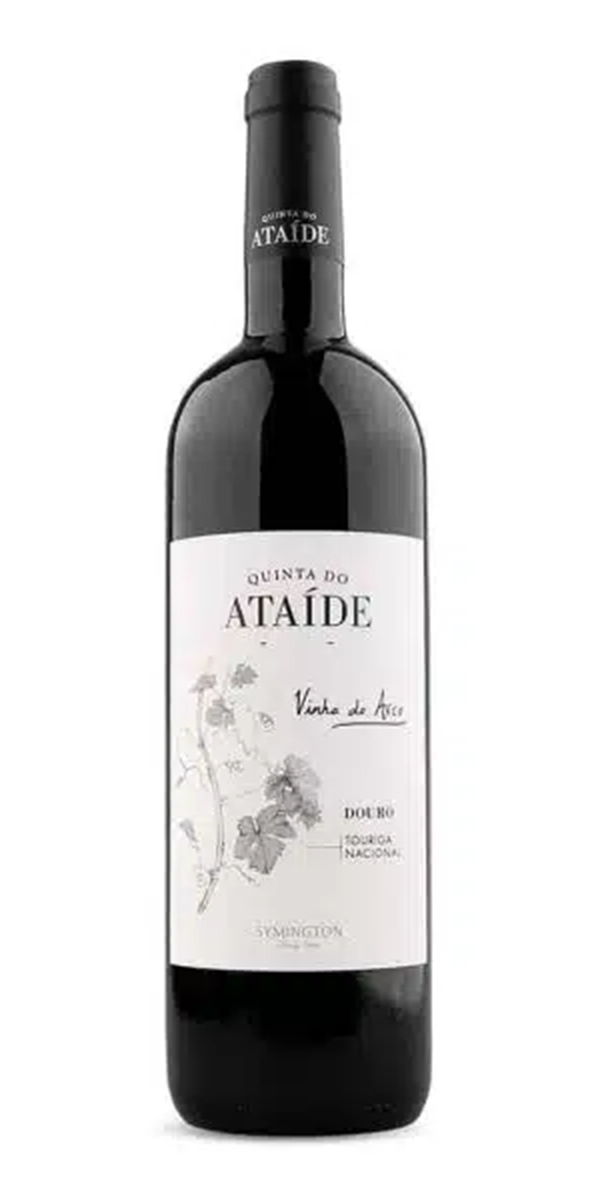
 14.5
14.5 PORTUGAL
 6
6 Cork
Cork Quinta do Ataíde, Symington Family Estates
 Organic
 Vegan
Vegan Vegetarian
 Fact Sheet